

DIY Solar vs. Professional Installation: Which is Right for You in 2026?
A comprehensive guide to help you decide on the best solar panel installation option.
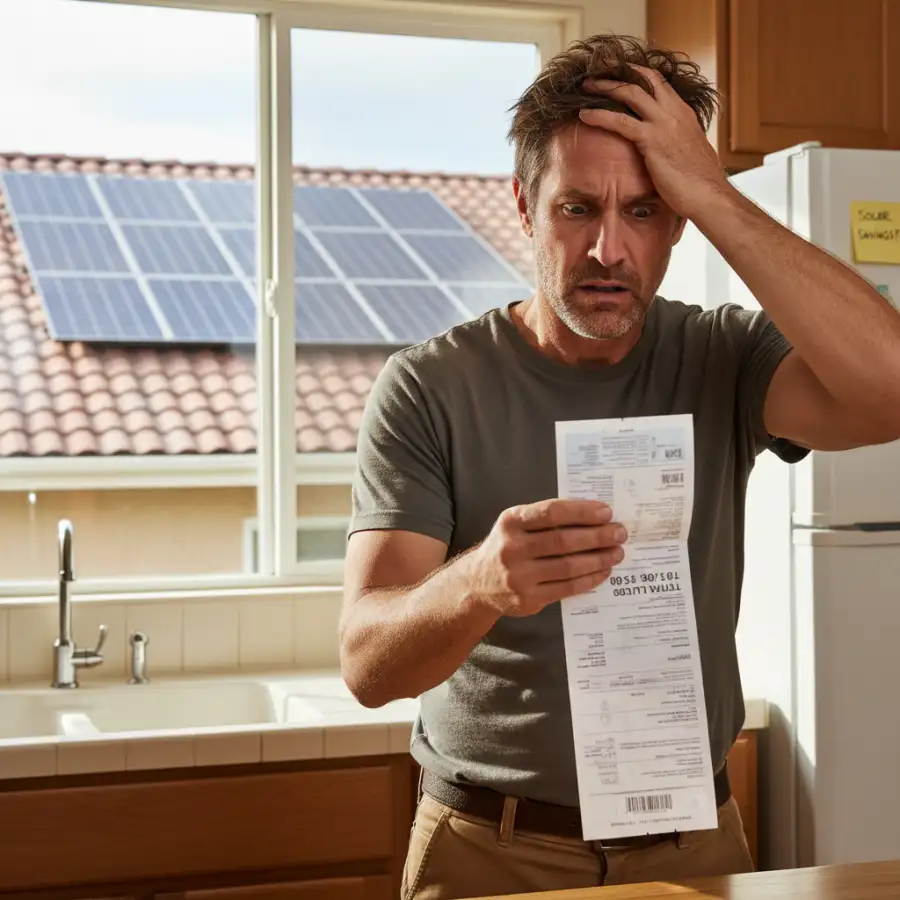
Do you dream of a future powered by the sun, free from high electricity bills? DIY solar installations might seem cheaper, but is it worth it?
Solar technology changes quickly. The year 2026 offers new possibilities. Should you try the DIY route? Or is professional installation a smarter investment for your home and finances?
This guide compares the pros and cons of DIY solar panel projects versus professional installations. You can make an informed decision for 2026 and beyond.
Solar power is appealing. Using the sun's energy for your home cuts your carbon footprint and lowers your electricity bills. As 2026 approaches, you must choose between a DIY solar panel installation or a professional service. Both have advantages and challenges. This guide offers a detailed comparison to help you choose what is best for you. We will look at the financial aspects, technical difficulties, and long-term benefits of each approach. This will help you decide if getting solar panels is worth it in 2026.
Quick navigation
- Understanding the Basics of DIY vs. Professional Solar
- DIY Solar Panel Installation: Pros and Cons
- Professional Solar Installation: Pros and Cons
- Financial Considerations: Costs and Savings
- The Technical Hurdles: Installation, Maintenance, and Permits
- What this means for you
- Risks, trade-offs, and blind spots
- Main points
Understanding the Basics of DIY vs. Professional Solar
Choosing between DIY and professional solar installation means understanding the key differences. DIY solar projects usually involve buying solar panels, inverters, racking systems, and other parts. Then you install them yourself. This approach often appeals to people with some technical skill and time to spare. Professional solar installation means hiring a certified solar installer to design, purchase, and install the system. This option offers a complete solution. The installer handles everything, including permits, inspections, and ongoing maintenance.
Your choice depends on your technical skills, budget, time, and how comfortable you are with potential risks. DIY projects can save money, but they need a lot of time and effort. Professional installations offer convenience and expertise, but they cost more upfront. Both are good options. The best choice depends on your specific needs and goals.
DIY Solar Panel Installation: Pros and Cons
DIY solar panel installation can be a good option for homeowners who like hands-on projects and want to save money. What are the real benefits and drawbacks?
Pros:
- Cost Savings: The biggest advantage of DIY solar is the potential to save money. You can often lower the total project costs by avoiding labor costs.
- Customization: DIY projects let you design your solar system. You control the components, so you can tailor the system to your energy needs and budget.
- Learning Experience: Installing your own solar panels teaches you how solar systems work. This knowledge is helpful for maintenance and troubleshooting.
Cons:
- Time Commitment: DIY installations take a lot of time. Researching components, designing the system, and installing it can take a lot of your time.
- Technical Expertise: Solar panel installations involve electrical work. This can be dangerous if you lack the necessary skills. Incorrect wiring or improper installation can cause safety hazards and system failures.
- Permits and Regulations: Following local building codes and getting the necessary permits can be complex and time-consuming. Failure to follow regulations can result in fines and delays.
Professional Solar Installation: Pros and Cons
Choosing a professional solar installer can provide peace of mind and convenience. But it also has its own considerations. Here is a breakdown of the pros and cons:
Pros:
- Expertise and Experience: Professional installers know how to design and install a solar system that meets your needs and follows all regulations.
- Warranty and Support: Professional installations usually come with warranties on the equipment and the installation. This gives you peace of mind.
- Time Savings: Hiring a professional saves you the time and effort of designing, buying, and installing the system yourself.
Cons:
- Higher Upfront Costs: Professional installations usually cost more than DIY projects because of labor costs and the installer's overhead.
- Limited Customization: You may have less control over the components and system design, although professional installers can tailor systems to your needs.
- Finding a Reputable Installer: Choosing a reliable and trustworthy installer is essential. Researching and comparing installers can take time. Poor workmanship can cause problems later.
Financial Considerations: Costs and Savings
The financial aspects of solar panel installation are important when deciding between DIY and professional services. Both can save you money on your electricity bills in the long run. But, the initial costs and payback periods can vary a lot. Is the investment worth it?
DIY solar installations generally have lower upfront costs because you avoid labor expenses. However, you still need to buy all the components, including panels, inverters, racking systems, and wiring. The total cost depends on the system size, the quality of the components, and any additional expenses, such as tools or safety equipment.
Professional installations have higher upfront costs due to labor, permits, and the installer's profit. But, these costs are offset by the convenience, warranties, and expertise the installer provides. You might also qualify for tax credits, rebates, and other incentives that can lower the system's overall cost.
To decide which option is more financially beneficial, consider these factors:
- Upfront Costs: Compare the total cost of DIY components with the quote from a professional installer.
- Long-Term Savings: Estimate your energy savings based on the system size and your electricity use.
- Payback Period: Calculate how long it will take for your savings to cover the initial investment.
- Incentives: Research available tax credits, rebates, and other financial incentives. Explore financing options, as well. Learn more about financing myths.
The Technical Hurdles: Installation, Maintenance, and Permits
The technical aspects of solar panel installation can be a big challenge, especially for DIY projects. Installation, maintenance, and compliance with regulations require careful thought.
Installation involves several steps, including mounting the panels, wiring the electrical system, and connecting the system to the grid. Improper installation can cause safety hazards, system malfunctions, and reduced energy production. DIY installers must understand electrical wiring, building codes, and safety protocols.
Maintenance is also important. Solar panels need regular cleaning to remove dirt, dust, and debris that can reduce their efficiency. Inverters and other components may need maintenance or replacement. Professional installers often offer maintenance contracts. This provides ongoing support and ensures the system works efficiently.
Getting the necessary permits and following local building codes is another critical aspect. DIY installers must handle the permit process, which can be complex and time-consuming. Failure to follow regulations can result in fines and delays. Professional installers handle all permit requirements, ensuring the installation meets all standards.
Consider the impact of solar panel installation in Houston as well. Explore what solar panel installation in Houston means.
What this means for you
Whether you choose to DIY or hire a professional, investing in solar panels can greatly impact your financial future. What is the real key to making this choice?
If you like hands-on work and have some knowledge of electrical and construction, a DIY project might be the most cost-effective solution. Be ready to spend a lot of time on the project. Make sure you know the local regulations.
If you want a hassle-free experience with full support, hiring a professional installer is best. You will have peace of mind knowing that experts handle the installation. Warranties cover both the equipment and the installation work.
Risks, trade-offs, and blind spots
Choosing between DIY and professional solar installations involves potential risks, trade-offs, and unforeseen challenges. Here is a closer look at the key points:
One major risk with DIY installations is the chance of errors. Incorrect wiring, improper mounting, or failing to follow local codes can cause safety hazards and system malfunctions. Fixing these mistakes can be costly and take time.
A trade-off with DIY installations is the time commitment. Researching components, designing the system, and doing the installation can take a lot of your time. This time investment might offset some of the cost savings. Professional installations trade off this time commitment with a higher initial cost.
There are also potential blind spots to consider. DIY installers might underestimate the project's complexity, leading to unexpected costs or delays. Professional installers might not always offer the most cost-effective solutions or the best customer service. Research and compare your options carefully to avoid these blind spots.
Main points
Deciding between DIY and professional solar panel installation depends on your situation. Here are the main points to guide your decision-making:
- DIY Solar: Offers potential cost savings and more control over the system design. But, it needs a lot of time, technical expertise, and a willingness to handle permits and regulations.
- Professional Solar: Provides a complete solution with expert installation, warranties, and support. But, it has higher upfront costs and possibly less flexibility in system design.
- Financial Considerations: DIY projects have lower upfront costs, while professional installations have higher costs offset by convenience and incentives.
- Technical Hurdles: DIY installations need a strong understanding of electrical wiring, building codes, and safety protocols.
- Maintenance: Regular cleaning and occasional maintenance are needed for the best performance.
- Permits: Getting the necessary permits and following local building codes is crucial for all installations.
- Future Viability: As technology advances, solar panel efficiency will improve. Consider the advancements for large homes.
- Decision Factors: Consider your technical skills, budget, time, and how comfortable you are with potential risks before deciding.
If you want a greener future and lower energy costs, carefully weigh the pros and cons. Find the best solar panel installation option for your needs. Whether you choose DIY or hire professionals, take the time to evaluate the financial, technical, and regulatory aspects of the project. You will be glad you made the best decision for your home in 2026.