

Finding the Best Solar and Roofing Companies Near You: An Integrated Guide
Discover how to identify qualified local companies that expertly combine roofing and solar services for a seamless, efficient home upgrade.
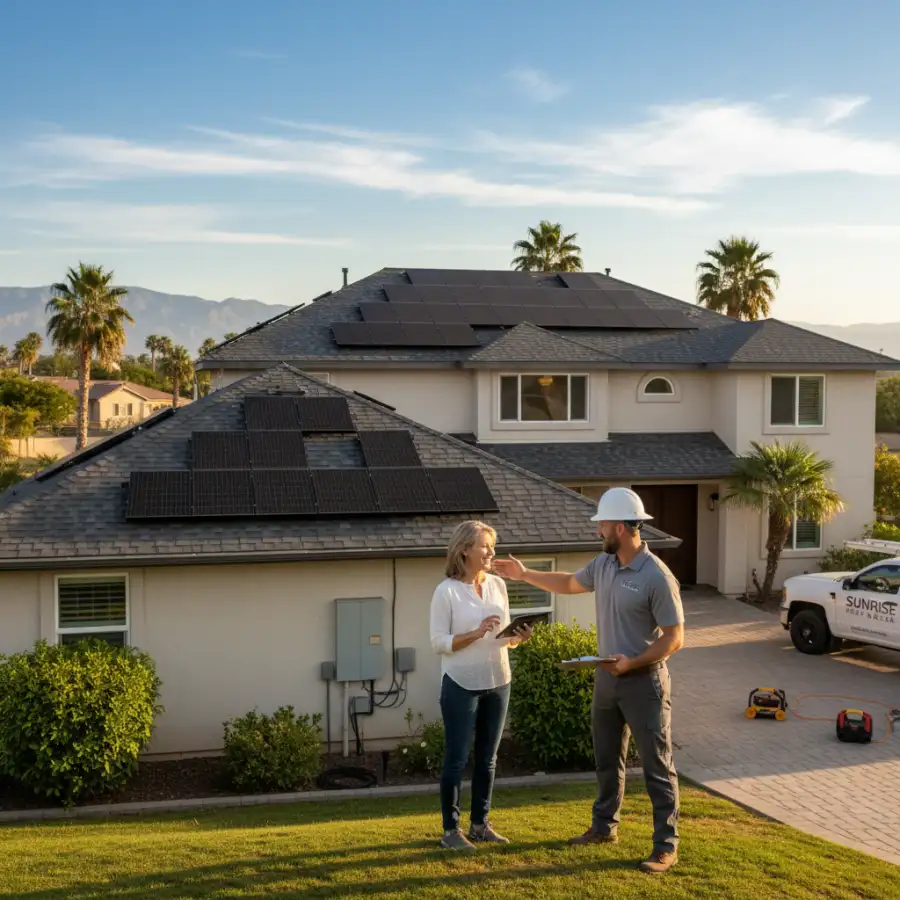
Planning a major home upgrade? Combining a new roof with solar panels can be a smart, single-project solution, but finding the right contractor is crucial.
Don't get caught juggling multiple companies, conflicting timelines, and fragmented warranties. The right integrated provider simplifies everything.
Your home deserves a future-proof upgrade. Discover how to identify a solar and roofing company that delivers both expertise and peace of mind.
For homeowners considering a significant upgrade, the prospect of installing solar panels often goes hand-in-hand with evaluating the condition of their roof. An aging or suboptimal roof can significantly impact the efficiency and longevity of a solar system, making a combined roofing and solar project an increasingly intelligent choice. This guide is your essential resource for managing this exciting, yet complex, home improvement landscape. We'll explore the key considerations for hiring an integrated provider, explain the combined installation process, and offer guidance on making an informed decision that ensures your home benefits from both a robust new roof and efficient solar energy generation.
Quick navigation
The Synergy of Solar and Roofing: Why Combine?
Opting for a company that handles both your roofing and solar needs offers a multitude of benefits, streamlining a potentially complex project into a cohesive home improvement strategy.
Single Point of Contact and Coordinated Project Management
Imagine coordinating schedules, managing expectations, and troubleshooting issues with two separate contractors. It's a recipe for headaches. By choosing a company proficient in both roofing and solar, you benefit from a single point of contact. This ensures seamless communication, synchronized timelines, and a unified vision for your project. Why juggle two separate contractors when one can manage both seamlessly, offering you complete peace of mind?
Optimized Roof Condition for Solar Longevity
Solar panels are designed to last 25-30 years. Installing them on an old or compromised roof means you'll likely face the expense of removing and reinstalling the panels when your roof eventually needs replacement. An integrated company can assess your roof's condition, perform necessary repairs, or install a brand-new roof specifically designed to support solar panels, maximizing the lifespan of your entire system. This forward-thinking approach ensures your solar investment is built on a solid foundation.
Integrated Warranties and Accountability
When you have separate roofing and solar installers, determining who is responsible for a leak or an issue that arises after installation can become a blame game. With a single company, you get integrated warranties covering both the roof and the solar system. This clear accountability simplifies any future issues, knowing exactly who to call for support. Does a fragmented warranty truly offer you comprehensive protection?
Potential for Cost and Time Efficiencies
While not always cheaper, combining services can lead to efficiencies. A single crew might handle multiple tasks, reducing mobilization costs and project duration. Furthermore, the combined planning often results in a more optimized design, ensuring maximum solar production while safeguarding your home's envelope. The logistical simplicity alone can save you time and stress, which holds its own value. Are you underestimating the true cost of managing separate projects?
Beyond Convenience: Integrating solar and roofing isn't just about making things easier. It's about a smarter, more durable, and ultimately more efficient investment in your home's future, ensuring every component works in perfect harmony.
Key Qualities of Top Solar and Roofing Companies
Identifying a truly capable integrated solar and roofing company requires looking beyond surface-level claims. Here are the defining characteristics of top-tier providers:
Dual Licensing, Certification, and Insurance
A reputable company must hold all necessary licenses for both roofing (general contractor, specific roofing endorsements) and solar installation (electrical, solar contractor licenses) in your state and locality. Certifications like NABCEP (North American Board of Certified Energy Practitioners) for solar are a strong indicator of expertise. Crucially, they must carry comprehensive insurance for both aspects of the work – general liability and worker's compensation. Without these, you are facing significant risk. Would you trust your home's two most critical systems to anyone less than fully credentialed?
Combined Experience and Integrated Teams
Look for a company that has a proven history of successful projects that integrate both roofing and solar. This isn't just about having separate roofing and solar divisions; it's about having integrated teams who understand how each component affects the other. Their crews should be cross-trained or work in close coordination, ensuring the roofing preparation is perfect for solar installation, and the solar mounting doesn't compromise the roof's integrity. What kind of integrated experience do their teams truly bring to the table?
Comprehensive Warranties for Both Systems
As mentioned, a single point of warranty is invaluable. A top company will offer clear, comprehensive warranties that cover the roofing work, the solar panels, the inverters, and the labor for both installations. Understand the terms, duration, and what specifically is covered. This holistic protection is a hallmark of a confident and reliable provider.
Read the Fine Print: Don't just verify the existence of warranties; understand their scope. A long warranty is only as good as what it actually covers and the company standing behind it.
Strong Reputation and Transparent Customer Reviews
Online reviews across various platforms (Google, Yelp, BBB, solar-specific forums) offer insights into a company's reliability, professionalism, and customer service. Look for consistent positive feedback regarding both their roofing and solar projects. Pay attention to how they address negative feedback, demonstrating their commitment to customer satisfaction. What do past clients say about their combined service quality?
Local Knowledge and Permitting Expertise
Managing local building codes, permitting processes, and utility interconnection requirements can be complex. A top company will have extensive experience in your specific area (e.g., "roofing companies near me") and a deep understanding of local regulations. This expertise streamlines the project, avoids costly delays, and ensures compliance. Are they truly local experts who know the nuances of your area?
What to Expect: The Integrated Installation Process
A combined roofing and solar installation follows a logical, streamlined process. Knowing what to expect helps you stay informed and ensures a smooth project execution.
Initial Consultation and Dual Assessment
The process begins with a comprehensive consultation. Experts will conduct a dual assessment: evaluating your home's energy needs for solar sizing, and performing a detailed inspection of your roof's condition, pitch, shading, and structural integrity. They'll discuss material options for your new roof and solar panel types. This integrated approach ensures both systems are optimized for your home. Does their initial assessment cover both your roof's health and your energy goals thoroughly?
Unified Design and Proposal
Following the assessment, the company will present a unified design. This includes a plan for any necessary roof repairs or a full roof replacement, alongside the proposed solar system layout, panel types, inverter technology, and estimated energy production. The proposal should clearly itemize costs for both roofing and solar components, outline warranties, and project savings. This holistic view allows for informed decision-making. Is their proposal clear, comprehensive, and tailored to your specific needs?
Streamlined Permitting and Approvals
One of the key advantages of an integrated company is their ability to manage both sets of permits. They will handle all necessary paperwork with local building departments for roofing permits and with the utility company for solar interconnection agreements. This removes a significant burden from your shoulders and can accelerate the overall project timeline. Wouldn't a single, coordinated timeline reduce stress and potential delays?
Coordinated Installation Execution
The physical installation is carefully orchestrated. If a new roof is needed, that work will be completed first. Once the new roof is securely in place, the solar mounting system will be installed, followed by the panels and electrical components. This sequential approach ensures the roofing warranty remains intact and the solar system is installed on a perfect foundation. Reputable companies prioritize safety and maintain a clean worksite throughout. How will they ensure minimal disruption during the construction phase?
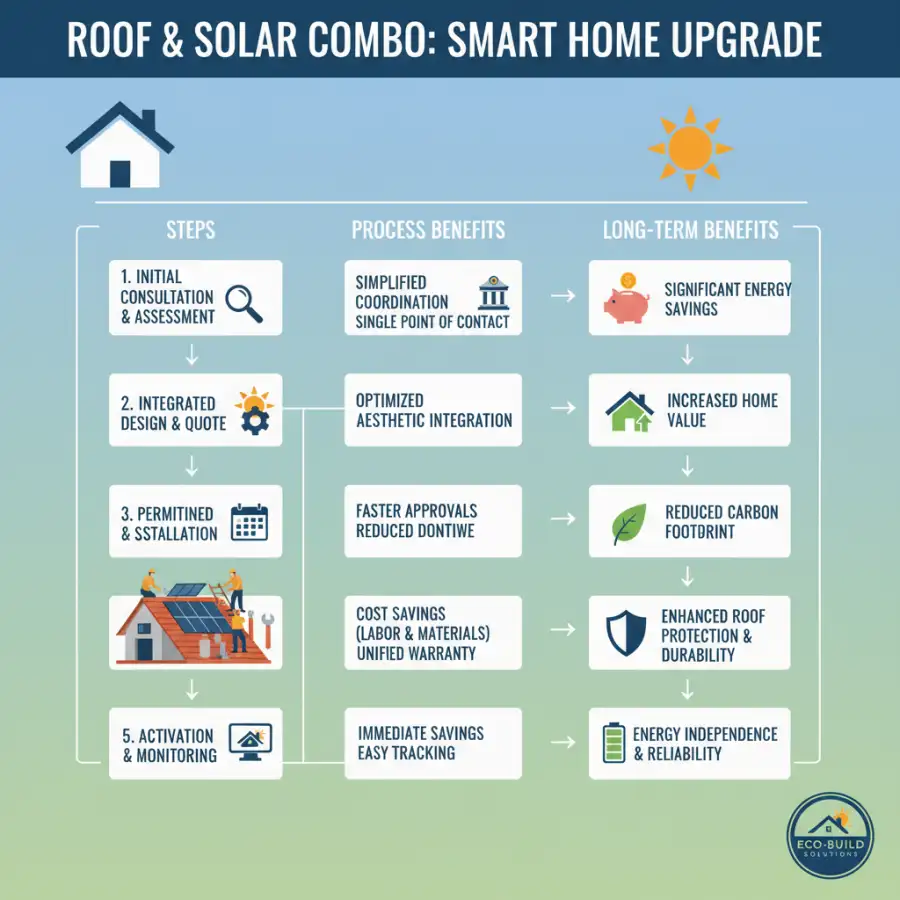
Final Inspections, Interconnection, and Activation
Once both the roofing and solar work are complete, local building inspectors will verify compliance with codes. The utility company will perform a final inspection of the solar system before granting permission to operate (PTO). After PTO, your solar system can be activated, immediately beginning to generate electricity and potentially sending excess power back to the grid. The final step is often referred to as "flipping the switch." How long will it take to get your system fully operational?
Evaluating Costs, Warranties, and Local Incentives
Understanding the financial aspects of a combined solar and roofing project involves more than just the sticker price. A smart approach maximizes savings and secures your investment.
Understanding the Combined Upfront Investment
A combined project typically involves a higher upfront cost than either service alone, but it often represents a more economical long-term investment. Request detailed, itemized quotes for both the roofing and solar components. Compare costs per watt for solar and per square foot for roofing materials. Don't be afraid to get multiple bids to ensure you're receiving competitive pricing. Is the cost breakdown clear, or are there vague "project fees"?
Federal Solar Tax Credit (ITC) for Combined Projects
The federal Investment Tax Credit (ITC) is a significant incentive, allowing you to claim a percentage of your solar system's cost as a tax credit. Crucially, if a new roof is required to support the solar installation, a portion of the roofing cost may also qualify for the ITC, as it is integral to the solar project. Consult with your tax advisor and solar provider to understand how to make the most of this powerful incentive. Are you using every possible tax credit for your integrated project?
State and Local Incentives for Energy Efficiency and Solar
Beyond the federal ITC, research state and local incentives. Many regions offer rebates for energy-efficient roofing materials or programs that provide Solar Renewable Energy Credits (SRECs) for the power your system generates. Your integrated solar and roofing company should be knowledgeable about all local programs and assist you in managing the application process. Are you leaving money on the table by not understanding combined incentive structures?
Comprehensive Warranty Comparison
As emphasized, integrated warranties are a major advantage. Compare the length and scope of workmanship warranties for both the roof and solar components. Look for minimum 10-year workmanship warranties on roofing and 25-year performance and equipment warranties for solar panels. A robust warranty package signifies a company's confidence in their work. Is the warranty truly comprehensive, or does it have significant exclusions?
Financing Options for Integrated Projects
Many solar companies offer financing options that can bundle both the roofing and solar costs into a single loan. This allows you to avoid a large upfront cash payment while still owning the system and benefiting from tax credits. Alternatively, homeowners may choose a home equity loan or a specific PACE (Property Assessed Clean Energy) loan if available in their area. Which financing option provides the best long-term value for your combined investment?
For more detailed comparisons of local solar companies, including those that might offer combined services, you can refer to our in-depth guide. Additionally, if cost is a primary concern, our article on finding the cheapest solar installation might provide valuable perspectives on budgeting your project.
What this means for you
Starting a combined solar and roofing project is a significant home improvement, and for you, the homeowner, this guide serves as an invaluable resource. It means transforming a complex undertaking into a clear, manageable process. You are now equipped to identify truly qualified local companies offering both roofing and solar services, ensuring you hire a provider with dual expertise, integrated project management, and comprehensive warranties. This knowledge empowers you to ask the right questions, evaluate costs accurately, and make the most of available incentives, leading to an informed decision that secures your home's structural integrity and energy independence for decades. This integrated approach translates into long-term savings, enhanced home value, and the ultimate peace of mind, knowing your investment is sound.
Risks, trade-offs, and blind spots
While the integrated approach to solar and roofing offers numerous benefits, it's crucial to acknowledge the potential risks, inherent trade-offs, and common blind spots that homeowners might encounter.
Companies Jack-of-All-Trades, Master-of-None
A significant risk lies in choosing a company that claims to do both solar and roofing but only truly excels at one. They might be a superb roofer but lack deep solar expertise, or vice-versa. This can lead to suboptimal solar panel placement, inefficient system performance, or roofing issues post-installation. A common blind spot is assuming that offering both services automatically means expertise in both. The trade-off is potentially sacrificing specialized expertise for convenience. What hidden costs or complexities might surface if your integrated provider isn't truly expert in both fields?
Higher Initial Cost for Combined Projects
While long-term efficiencies exist, the upfront cost of a combined new roof and solar installation will inherently be higher than just a solar installation alone. A blind spot is failing to budget adequately for this larger initial investment. While incentives can help, the immediate financial outlay is greater, which can be a trade-off for homeowners with limited immediate capital. Have you meticulously planned your budget to accommodate the full scope of an integrated project?
Dependency on a Single Contractor
Entrusting both your roof and solar system to a single contractor means a high degree of dependency. If that company goes out of business or struggles with customer service, resolving issues for both major home components can become incredibly difficult. This is a trade-off for the convenience of a single point of contact. A blind spot is not researching the company's financial stability and long-term viability. What is your contingency plan if your sole contractor faces unforeseen challenges?
Complex Warranty Navigation (Even with One Company)
Even with an integrated company, combined warranties can still be complex. Different components (panels, inverters, roofing materials, labor) often have varying warranty durations and coverage specifics. A blind spot is not thoroughly reading and understanding all aspects of the warranty document. A trade-off is that what seems like a simple, all-encompassing warranty might have subtle exclusions or limitations that only become apparent when an issue arises. Does your understanding of the warranty truly cover every possible scenario?
Underestimating Permitting and Inspection Timelines
While an integrated company streamlines the process, a combined project often involves more permits and inspections (for both roofing and electrical/solar work) than a standalone project. A blind spot is underestimating the time these administrative steps can take, especially in busy municipalities. This can lead to longer project timelines than initially anticipated. Are you prepared for potential bureaucratic delays that are outside the contractor's direct control?
How do I find a reputable solar and roofing company?
Look for companies with dual licenses (roofing and solar/electrical), NABCEP certification, extensive experience in both fields, strong local reviews, and comprehensive insurance. Always request multiple quotes and check references carefully.
Can I combine solar and roofing costs for tax credits?
Potentially, yes. The federal Investment Tax Credit (ITC) for solar can sometimes include a portion of roofing costs if the roof replacement is deemed an integral part of the solar installation. Consult with your solar installer and a tax professional to understand your specific eligibility and make the most of benefits.
Main points
Choosing a company that offers integrated solar and roofing services is a strategic decision for your home. Here are the core takeaways:
- Integrated Benefits: Combining roofing and solar offers a single point of contact, optimized roof condition for solar longevity, and simplified warranties.
- Demand Dual Expertise: Prioritize companies with proper dual licensing, NABCEP certification, extensive integrated experience, and strong local reputations in both roofing and solar.
- Understand the Process: Expect a unified consultation, design, streamlined permitting, coordinated installation (roof first, then solar), and final inspections.
- Evaluate All Financials: Get itemized quotes, understand how the federal ITC applies to combined projects, and explore state/local incentives and financing options. For more insights on costs, see our guide on finding the cheapest solar installation.
- Comprehensive Warranties are Key: Ensure you receive robust, integrated warranties covering materials and workmanship for both your new roof and solar system.
- Local Knowledge is Essential: A company with deep understanding of local building codes and utility requirements will ensure a smoother, compliant project. For comparing local options, check our comprehensive guide.
- Be Aware of Pitfalls: Guard against companies lacking true dual expertise, manage expectations regarding initial costs, and understand the implications of contractor dependency.
By keeping these key points in mind, you can confidently select an integrated solar and roofing company that provides a high-quality, efficient, and lasting solution for your home. Make your next home improvement project a streamlined success!