

Solar Panel Loans vs. Leases in 2026: A Comprehensive Guide
Making the right financial choice for your home and the planet.
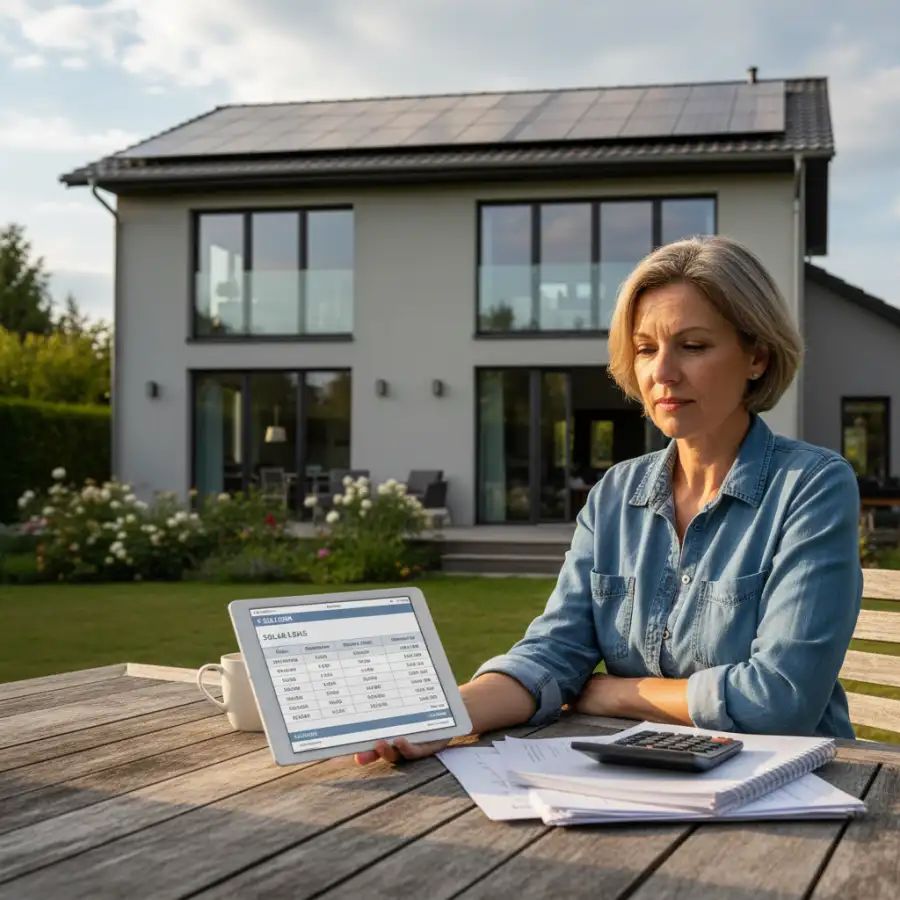
The sun is shining on a greener future, but navigating the financial landscape of solar panel installation can feel cloudy. Should you lease, or should you loan?
Choosing between a solar panel loan and a lease is a pivotal decision. It can greatly impact your finances for years to come.
This guide breaks down the key differences, helping you make the most informed decision possible in 2026.
In 2026, solar energy is a major power source for homes. Homeowners want to use less carbon and save on electricity. They must decide how to pay for solar panel systems. Loans and leases are the two main choices. Each has pros and cons. This guide will compare these options. It will look at costs, commitments, and property value. The goal is to help you make the best choice for you.
Choosing between a loan and a lease means understanding costs, benefits, and drawbacks. Both help you use solar power. But they differ in ownership, financial responsibilities, and returns. Let's compare solar panel loans and leases. This will help you make a good choice.
Quick navigation
Solar Panel Loans: A Deep Dive
A solar panel loan lets you borrow money to buy a solar panel system. You own the system from the start. You are in charge of its upkeep and costs. This is the main difference from a lease. How do these loans work? What are the results of choosing this option?
When you get a solar panel loan, you agree to pay it back. This includes the amount you borrowed and interest. The terms usually last 10 to 25 years. Interest rates can vary. They depend on your credit, the lender, and the market. But many loans have fixed interest rates. This makes your monthly payments predictable.
A key advantage of a solar panel loan is that you own the system. You benefit from the electricity it makes and any tax credits or rebates. You can also choose the parts and installer. Many homeowners want to own their system. They see it as an investment in their home and a step toward energy independence.
To get a loan, you usually need a credit check. You may also need a down payment. The loan covers the full cost of the system. This includes the panels, installation, and other equipment. You then make monthly payments until the loan is paid off. Once you pay off the loan, you own the solar panel system and get all the benefits.
Loans are often best for bigger homes or those that use a lot of energy. This is because you can save more over time. Read unlocking solar power for large homes to learn how they can help.
Solar Panel Leases: The Details
A solar panel lease is different. You lease the system from a solar provider. You pay a monthly fee to use the system. The solar company owns, maintains, and monitors the panels.
With a solar lease, you pay a set monthly fee for the lease term. This is usually 20 to 25 years. The solar company owns the panels. They are responsible for maintenance and repairs. You buy the electricity from the panels at a set rate. This rate is often lower than your local utility's rates. The goal is to save money on your electricity bills right away.
A key benefit of a lease is the low upfront cost. You don't need a lot of money to start using solar power. Also, the solar company handles maintenance and repairs. This can be helpful. The solar company also checks how well the system is working. They make sure it produces the expected amount of electricity.
But you don't own the panels. You can't get tax credits or rebates. If you sell your home, you must transfer the lease to the new owner. Or you can pay to remove the panels or buy out the lease. You may also have fewer choices for system parts or installers.
Leases are often good for people who want to save on electricity bills now. But understand the lease terms. Know about any changes in monthly payments and the long-term results. Consider how it affects your property value or what to do if you sell your home. It's important to know your rights to make a good decision.
What this means for you
Both solar panel loans and leases help you make clean energy and save money. But the best choice depends on your finances, goals, and how much risk you want to take. It's important to know the results of each choice to make a good decision.
If you want to own the system, get tax benefits, and choose your system, a solar panel loan may be right for you. You will be in charge of maintenance and repairs. But you will own the system. Over time, you can benefit from the full value of the system. This includes any increase in property value and savings on electricity bills. Remember, you might need a down payment. You will also need to qualify for the loan based on your credit.
If you want low upfront costs, don't mind not owning the system, and want lower electricity bills, a solar lease might be better. You won't pay for maintenance. You will have predictable monthly payments. The main tradeoff is that you won't get tax credits or rebates. You will not own the system at the end of the lease.
Risks, trade-offs, and blind spots
Each option has risks, trade-offs, and potential problems. Knowing these can help you avoid making a choice that doesn't fit your goals.
With solar panel loans, the main risk is that you are responsible for how the system works. If the panels don't make the expected amount of electricity, you still owe loan payments. There is also the risk of costs for maintenance and repairs. But you own the system. You can get a return on investment through higher property value and savings on electricity. It's important to find the best loan terms and understand the system's warranty.
With solar leases, the main trade-off is that you don't own the system. You won't get tax credits or rebates. Your options for selling your home may be limited. Your monthly payments could also go up over time, depending on the lease terms. Read the lease agreement carefully. Pay attention to any clauses about increasing payments. Even though you don't own the system, the savings on electricity bills may be worth it. This is especially true if the lease payments are much lower than your current electricity costs. Also, think about how it affects your ability to get tax credits. Research residential solar financing myths to learn more.
The Impact on Property Value
A key thing to think about is how a solar panel loan or lease affects your property value. Solar panel systems can increase your home's value. But it depends on how you pay for them.
If you own your solar panel system through a loan, the panels are a permanent home improvement. They can increase your property's value. This is good when you sell your home. Buyers often see owned solar panels as an asset. They lower energy costs and make your home more attractive. You own the system. The benefits go to the new homeowner.
But it's different with a solar lease. A leased system can still attract buyers, but it can also be a problem. The new homeowner will need to take over the lease. Or you might have to buy out the rest of the lease. This can make selling your home more difficult. Some buyers may not want the lease, even if it offers lower electricity costs. This might affect the home's value. That is why it is important to understand the lease terms before choosing this option.
Tax Credits, Rebates, and Incentives
Tax credits, rebates, and other incentives can greatly change the cost and benefits of solar panel systems. These incentives often depend on whether you own the system or lease it.
With a solar panel loan, you usually get tax credits and rebates. These can greatly lower the upfront cost of your system and shorten the payback period. The federal government offers a tax credit. Many states and local governments offer rebates and incentives. These can lower the overall cost of your solar investment and speed up your return.
When you lease a solar panel system, the solar provider usually gets these benefits. This is a key difference. While the lease may offer lower monthly payments, you won't directly benefit from these financial incentives. The provider includes these benefits in the lease terms. This may lower your monthly costs, but you won't get a direct tax credit or rebate.
Main points
Choosing between solar panel loans and leases needs careful thought. Here are the main points to help you make a good decision:
- Ownership vs. Usage: Solar panel loans give you ownership. Leases give you usage rights.
- Upfront Costs: Loans usually need an upfront investment. Leases have small initial costs.
- Long-Term Costs: Consider all costs, including interest (loans) and lease payments.
- Tax Benefits: Loan owners usually get tax credits, which leases don't offer.
- Maintenance: Loan owners handle maintenance. Lease providers manage it.
- Property Value: Loans can increase property value. Leases might make sales harder.
- Flexibility: Loans offer more choices for systems and installers.
- Financial Goals: Choose the option that fits your financial goals, risk tolerance, and energy needs.
Ready to use the sun to power your home? Think about your finances, research loan options, and understand lease terms. Making the right choice is a big step toward energy independence. Contact solar providers and financial institutions to learn more and get quotes. Start today for a more sustainable and cost-effective energy future. Consider reading solar panel installation in Houston if you live in that area.