

Financing Your Freedom from the Grid: A Guide to Solar Panel Financing
Explore the best financing options to make solar energy a reality for your home.
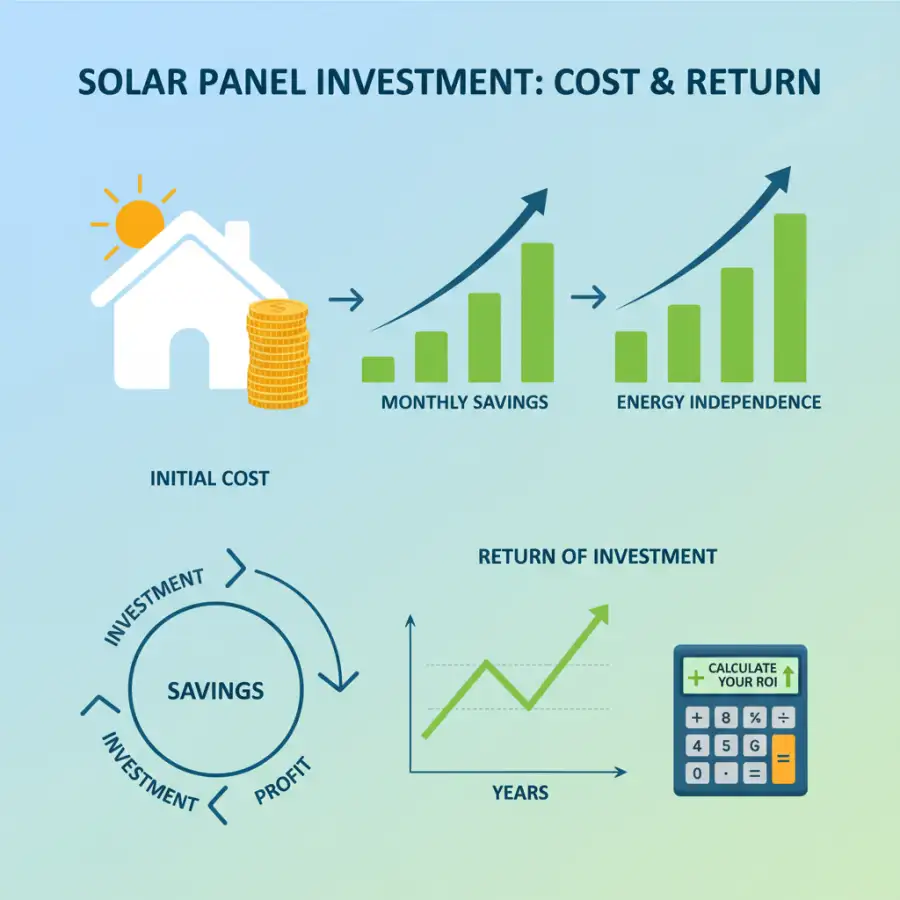
Cutting your energy bills and gaining energy independence is possible. Solar panel financing makes this a real goal.
However, understanding solar financing can be difficult. This guide helps clarify the process and allows you to make smart choices.
Let’s explore the financing options so you can start saving money and lowering your carbon footprint.
Installing solar panels is a popular way for homeowners to use less of the power grid. It also helps cut energy costs and supports a sustainable future. The initial investment can be a challenge. Several financing options are available to make solar energy accessible. This guide explores solar panel financing. It helps you understand the benefits, costs, and choices.
Quick navigation
Understanding the Costs and Benefits
Before financing, you must understand the costs and benefits of solar panel installation. What are you investing in? Is it worth it?
The upfront costs include the panels, inverters, racking, installation, and permit fees. These costs vary based on the system size, panel type, and local labor rates. The long-term benefits often outweigh these expenses. These benefits include:
- Reduced Electricity Bills: Solar panels make free electricity. This lowers or removes your monthly bills.
- Increased Home Value: Homes with solar panels often sell for more.
- Environmental Benefits: Solar energy lowers your carbon footprint. It helps create a cleaner environment.
- Energy Independence: Solar panels provide energy independence. They protect you from rising energy prices and grid outages.
Exploring Solar Panel Financing Options
Several financing options can help you with the upfront cost. Which option is best for you? Let's look closer.
Solar Loans: Solar loans are common. They offer fixed interest rates and monthly payments. These loans cover the entire cost of the system. Terms are usually from 10 to 25 years. Compare rates and terms from different lenders to find the best deal.
Power Purchase Agreements (PPAs): With a PPA, a solar company installs and maintains the panels on your roof at no upfront cost. You agree to buy the electricity from the panels at a fixed rate. This rate is usually lower than the utility company's rates. You may be able to buy the system at the end of the PPA term (typically 20-25 years).
Solar Leases: Solar leases are like PPAs. Instead of buying the electricity, you lease the panels. You make fixed monthly payments. The solar company owns and maintains the system. At the end of the lease, you can buy the system or have it removed.
Cash Purchase: Paying in cash is the simplest option. This removes interest payments. You can use any available tax credits and incentives. This requires a large upfront investment.
Home Equity Loans and Lines of Credit: You can use home equity loans to finance solar panels. This uses your home's equity as collateral. This can work if you have home equity. You may get a lower interest rate than with other financing options.
Which option offers the most financial flexibility?
What this means for you
Choosing the right financing impacts the long-term cost and savings. Understanding each option's effects is key.
For example, a cash purchase gives the most long-term savings by removing interest payments. However, it needs a large initial investment. Solar loans help finance the system, but you pay interest. PPAs and leases need no upfront investment, but you won't own the system. You may not get all the tax credits.
The best financing option depends on your financial situation, risk tolerance, and goals. Do you want to lower the upfront cost, or do you want to maximize your long-term savings?
Risks, trade-offs, and blind spots
All financing options have risks, trade-offs, and potential issues. What should you think about before deciding?
Solar Loans: The main trade-off with solar loans is the interest you pay. The interest rates are usually lower than credit cards, but the long-term cost can be high. Compare loan terms and rates carefully. Make sure the lender has a good reputation and offers good customer service.
PPAs and Leases: The main risk with PPAs and leases is that you don't own the system. You are renting the panels. You won't benefit from any home value increase. If you sell your home before the PPA or lease ends, you must transfer the agreement to the new owner or buy out the term.
Cash Purchase: The main trade-off of a cash purchase is the large upfront investment. This can tie up a lot of your money. It could be used for other investments. Consider if the tax credits and incentives are enough to offset the initial cost. The panels' long-term performance depends on their maintenance and the weather in your area.
Home Equity Loans and Lines of Credit: The biggest risk with home equity financing is using your home as collateral. If you can't pay the loan, you could lose your home. The interest rates can change, which affects your payments. Researching options can help lower the risks of each choice. Understanding these factors is important for making informed decisions.
How to Choose the Right Financing
Choosing the right financing requires you to consider your finances, goals, and risk tolerance. What steps can you take to make the best choice for your needs?
Assess Your Financial Situation: Review your income, credit score, and savings. Decide how much you can invest upfront. Check your credit score. It impacts the interest rate on solar loans. A good credit score can get you better terms and lower rates.
Compare Financing Options: Research and compare solar loans, PPAs, leases, and home equity financing. Get quotes from multiple lenders and solar companies to find the best rates and terms. Review all contracts carefully. Pay close attention to interest rates, fees, and terms.
Consider Incentives and Tax Credits: Use government incentives and tax credits. The federal solar tax credit can lower the cost. Research state and local incentives like rebates and property tax exemptions.
Evaluate the Long-Term Costs and Benefits: Calculate the long-term costs and benefits of each option. This includes the total cost, the interest you pay, and the estimated savings on your bills. Think about the impact on your home's value and the environmental benefits.
Main points
Financing your solar panel system is a big decision. Here are the main points to consider:
- Understand the Costs and Benefits: Solar panels lower energy bills, increase home value, and offer environmental benefits. They need an initial investment.
- Explore Financing Options: Solar loans, PPAs, leases, cash purchases, and home equity financing have pros and cons.
- Consider Your Financial Situation: Review your income, credit score, and savings. Decide what you can afford.
- Compare Financing Options: Research and compare different financing options. Get quotes from multiple lenders and solar companies.
- Take Advantage of Incentives: Use government incentives and tax credits to lower the cost.
- Assess the Long-Term Impact: Calculate the long-term costs and benefits.
- Understand the Risks: Each financing option has risks, so do your research.
- Make an Informed Decision: The best option depends on your finances, goals, and risk tolerance.
By considering these points, you can choose the best financing option. Make solar energy a reality for your home. Start your journey toward energy independence today!
For more information, explore related topics. Read about residential solar financing myths. Also, learn about unlocking solar power for large homes. If you want to know about regional factors, read about solar panel installation in Houston.