

Maximizing Your Solar Panel Investment: A Comprehensive Guide to Maintenance
Ensure peak performance and extend the life of your solar energy system.
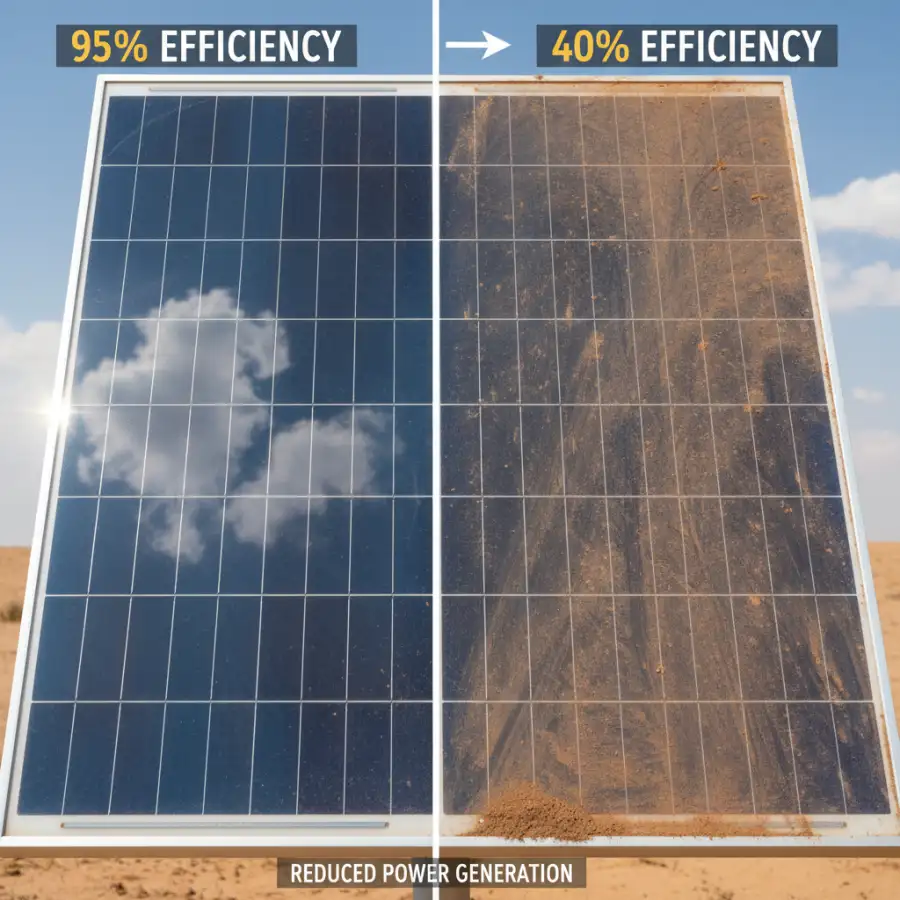
You invested in solar panels. Are you protecting your investment?
Solar panels need regular care. This care ensures they keep producing electricity efficiently.
This guide gives you the steps to maintain your solar panels. Follow these steps to get the most from your investment.
Solar panel maintenance is important. Many people overlook it. Solar panels last a long time, but neglecting them reduces how well they work. It also lowers your energy savings. This guide gives you the best ways to maintain your solar panels. Use this information to keep your system working well.
Are you a new solar panel owner? Have you had a system for years? You need to know how to maintain your system. This guide covers the basics of cleaning. It also covers how to find problems. You will learn about doing the work yourself or hiring a professional.
Quick navigation
- The Impact of Maintenance on Solar Panel Efficiency
- Safety First: Essential Precautions for Solar Panel Maintenance
- Tools and Materials You'll Need
- Cleaning Frequency and Best Practices
- DIY vs. Professional Solar Panel Cleaning
- Inspecting Your Solar Panel System
- Common Issues and Troubleshooting
- What this means for you
- Risks, trade-offs, and blind spots
- Main points
The Impact of Maintenance on Solar Panel Efficiency
Why is solar panel maintenance so important? Clean panels make more electricity. Solar panels make electricity by absorbing sunlight. Any dirt can lower the amount of sunlight that reaches the solar cells.
Consider this. A study by the National Renewable Energy Laboratory (NREL) showed that dirty solar panels can lose up to 25% of their power. This depends on the environment. This means you could lose a quarter of the power your system could make. That is a lot of lost power over the life of your system.
What environmental factors affect your panels? Things like pollen, bird droppings, dust, and debris can build up on your solar panels. This creates a barrier. This barrier lowers how well they work. Cleaning removes these things. Your panels can then absorb more sunlight and make more electricity. Clean panels also help your solar panels last longer. Heat buildup can damage the panels. This lowers how well they work.
Safety First: Essential Precautions for Solar Panel Maintenance
Your safety is the most important thing. Working on a roof can be dangerous. It is also dangerous to work with electrical equipment. Following safety rules can prevent accidents. It also keeps you safe.
Here are some essential safety tips:
- Turn off the system: Turn off the solar panel system before you start. Turn it off at the inverter and the AC disconnect. This removes the risk of electric shock.
- Work during daylight hours: Never clean your panels in the dark or during bad weather.
- Use appropriate footwear: Wear shoes with good traction. This prevents slips and falls on the roof. Use a safety harness if your roof is steep.
- Avoid working alone: It is a good idea to have a partner with you on the roof. Your partner can call for help in an emergency.
- Be aware of electrical hazards: The system may still have electricity in the wiring. Do not touch any electrical parts unless you are a qualified electrician.
- Use non-abrasive cleaning tools: Do not use harsh chemicals or abrasive cleaners. These can scratch the panels. This lowers how well they work.
Would you put your safety at risk without these precautions?
Tools and Materials You'll Need
You need the right tools and materials to maintain your solar panels safely. Here is a list of what you will need:
- Soft-bristled brush or sponge: Use a non-abrasive brush or sponge made for cleaning solar panels. Do not use stiff brushes or scrub pads. These can scratch the panel surface.
- Mild soap or detergent: Use a mild, pH-neutral soap or detergent. Do not use harsh chemicals or abrasive cleaners. These can damage the panels.
- Water source: You need access to water, like a garden hose or a bucket of water. Use a water-fed pole system for hard-to-reach panels.
- Squeegee: A squeegee removes water and soap. This leaves the panels clean and without streaks.
- Safety equipment: Do not forget your safety gear. This includes gloves, safety glasses, and non-slip footwear.
- Extension pole: Use an extension pole if you cannot reach your panels from the ground.
Cleaning Frequency and Best Practices
How often should you clean your solar panels? How often you clean them depends on where you live. It also depends on your environment and the angle of your panels. Inspect your panels at least twice a year. Clean them as needed.
Here are some best practices for cleaning your solar panels:
- Choose the right time: Clean your panels in the morning or late afternoon. The panels should be cool and out of direct sunlight. This prevents water spots and streaking.
- Rinse thoroughly: Start by rinsing the panels with clean water. This removes loose dirt.
- Apply soap solution: Gently apply the soap solution using a soft-bristled brush or sponge. Do not use too much soap.
- Scrub gently: Scrub the panels gently to remove dirt. Do not use too much pressure. This could damage the panels.
- Rinse again: Rinse the panels thoroughly with clean water. This removes all traces of soap.
- Squeegee (optional): Use a squeegee to remove extra water. This prevents water spots.
- Allow to air dry: Let the panels air dry completely. Do not wipe them with a cloth. This could leave streaks.
DIY vs. Professional Solar Panel Cleaning
You have two choices for cleaning your solar panels: DIY or hiring a professional. Both have pros and cons. The best choice depends on your experience, budget, and the size of your solar panel system.
DIY Cleaning:
- Pros: It costs less. You can clean them regularly. You control the process.
- Cons: It takes time and effort. There are potential safety hazards. You could damage the panels if you do not do it correctly. This may not be the right choice for all systems or roof types.
Professional Cleaning:
- Pros: It saves time and effort. It ensures safe and effective cleaning. Professionals have special equipment and expertise. They can find and fix problems.
- Cons: It costs more than DIY. You need to schedule the work. You need to find a good service provider.
Have you thought about the potential risks and benefits of each option?
Inspecting Your Solar Panel System
Regular inspection is an important part of solar panel maintenance. Inspecting your system helps you find problems before they get worse. It ensures your panels keep working well and safely.
What should you look for during your inspections? Here are some things to check:
- Panel condition: Look for any cracks, chips, or other damage to the panels. Damaged panels can lower the power you get. They can also be a safety hazard.
- Mounting hardware: Check the mounting hardware. Make sure the panels are attached to the roof securely. Loose or damaged hardware can make the system unstable.
- Wiring and connections: Inspect the wiring and connections. Look for any damage or wear. Make sure all connections are secure. Also, make sure the wiring is protected.
- Shading: Check for any new sources of shading. These could be tree branches or new buildings. They can affect how well the panels work.
- Inverter: Watch how your inverter works. The inverter changes the DC electricity from the panels into AC electricity. You use this in your home. Any problems with the inverter can affect how well your system works.
What if you find a problem during your inspection? You may be able to fix the problem yourself. For more complex issues, get help from a qualified solar panel technician. Regular inspections and quick repairs can help you prevent major problems. They also make sure your system keeps making electricity efficiently.
Common Issues and Troubleshooting
Problems can happen with solar panel systems. Find and fix these problems quickly to keep getting the most power. Here are some common problems and how to fix them:
- Reduced energy production: If you see a drop in power, check for obstructions. These include dirt, debris, or shading. If the panels look clean and there is no new shading, you may have a problem with the inverter or wiring. Contact a qualified solar panel technician.
- Panel damage: If you see any cracks, chips, or other damage to the panels, have them inspected by a professional. Damaged panels can be a safety hazard. They also lower how much power you get.
- Inverter problems: If your inverter is not working, you may see error messages. The system may shut down completely. Contact a qualified technician to repair the inverter.
- Wiring issues: Loose or damaged wiring can affect how much power you get. It can also be a safety hazard. Contact a qualified electrician or solar panel technician if you think there is a wiring problem.
Have you had any of these problems? How did you solve them?
What this means for you
Investing in solar panels is a big decision. You need to understand what is needed to get the most benefits. Regular maintenance is not a suggestion. It is important. It ensures your solar panel system keeps working at its best. This means you save more money. Your panels will last longer. You will get a better return on your investment.
Follow the guidelines in this guide. You can then take care of your solar panel system. You can do the work yourself or hire a professional. Be proactive. Stay informed. Fix problems quickly. This will save you money and problems.
Risks, trade-offs, and blind spots
There are clear benefits to maintaining your solar panels. You also need to know the risks, trade-offs, and blind spots. Knowing these things will help you make good choices. It will also help you avoid problems.
Here are some potential risks and trade-offs:
- Safety risks: Working on a roof can be dangerous. You may need special training and equipment. Always put safety first. Consider hiring a professional if you are not comfortable working at heights.
- Time and effort: Cleaning and inspecting take time and effort. You may need to fit it into your schedule. DIY cleaning can take time. Professional services require scheduling.
- Cost: Professional cleaning services cost money. DIY cleaning requires you to buy cleaning supplies.
- Weather dependency: You may not be able to clean your panels in certain weather conditions. Rain and snow can clean panels. In some areas, you may need to clean more often.
Knowing these risks, trade-offs, and blind spots helps you make good decisions. Carefully consider these things. You can then make a plan that fits your needs.
Main points
Maintaining your solar panel system is important. It helps you get the most power and makes the panels last longer. Here are the main points from this guide:
- Clean your panels regularly to prevent a drop in power.
- Put safety first. Turn off the system. Use the right footwear. Do not work alone.
- Use mild soap and soft brushes for cleaning. Do not use harsh chemicals.
- How often you clean depends on where you live. Clean twice a year or as needed.
- Think about the pros and cons of DIY or professional cleaning. Choose the option that fits your needs.
- Inspect your system regularly. Look for problems like damaged panels or wiring problems.
- Fix any problems quickly.
- Proper maintenance helps you save money. It also makes your panels last longer.
Are you ready to make sure your solar panel investment generates the maximum return? Maintain your panels regularly. They will keep providing clean, reliable energy for years to come.