

DIY vs. Pro Solar Installation: Cost, Safety, and the Best Choice for 2026
A comprehensive guide to help you decide the best approach for your home.
Do you want to use the sun's power, but are you unsure about installing solar panels? You are not alone.
Deciding between DIY and professional installation can seem difficult. It does not have to be.
Let's remove the technical terms and complexity. We will look at DIY versus professional solar installation. You can then make the right choice for your home in 2026.
Choosing between DIY and professional solar installation is a big decision. Clean energy and long-term savings are appealing. The path to solar power is not always simple. This guide explains DIY and professional solar installation. It helps you understand costs, safety, and regional differences. This includes California and the USA. By 2026, solar will have changed. The information here is based on the current trends and forecasts.
Quick navigation
DIY Solar Installation: A Closer Look
DIY solar installation is for the hands-on homeowner. You can save money and feel satisfied building something. Is it a practical choice for everyone?
DIY involves buying solar panels, inverters, racking systems, and other parts. You install them yourself. This usually requires knowledge of electrical systems, roofing, and local rules. You will also need to get permits, which vary by location.
Professional Solar Installation: The Advantages
Hiring a professional solar installer avoids many DIY complexities. What are the main benefits of this option?
Professional installers handle all project parts. This includes design, permits, installation, and inspection. They know how to correctly size the system for your energy needs. They also make sure it meets safety standards and local rules. Professional installations often have warranties that protect your investment.
Cost Projections for 2026: DIY vs. Pro
Cost is often the main factor in deciding between DIY and professional solar installation. It is hard to give exact numbers because material costs change. There are also regional differences. We can look at some general forecasts for 2026.
DIY solar installation usually has lower upfront costs because you do not pay for labor. However, you may spend money on tools. You could also make mistakes and spend a lot of time. You might miss out on rebates and incentives for professional installations.
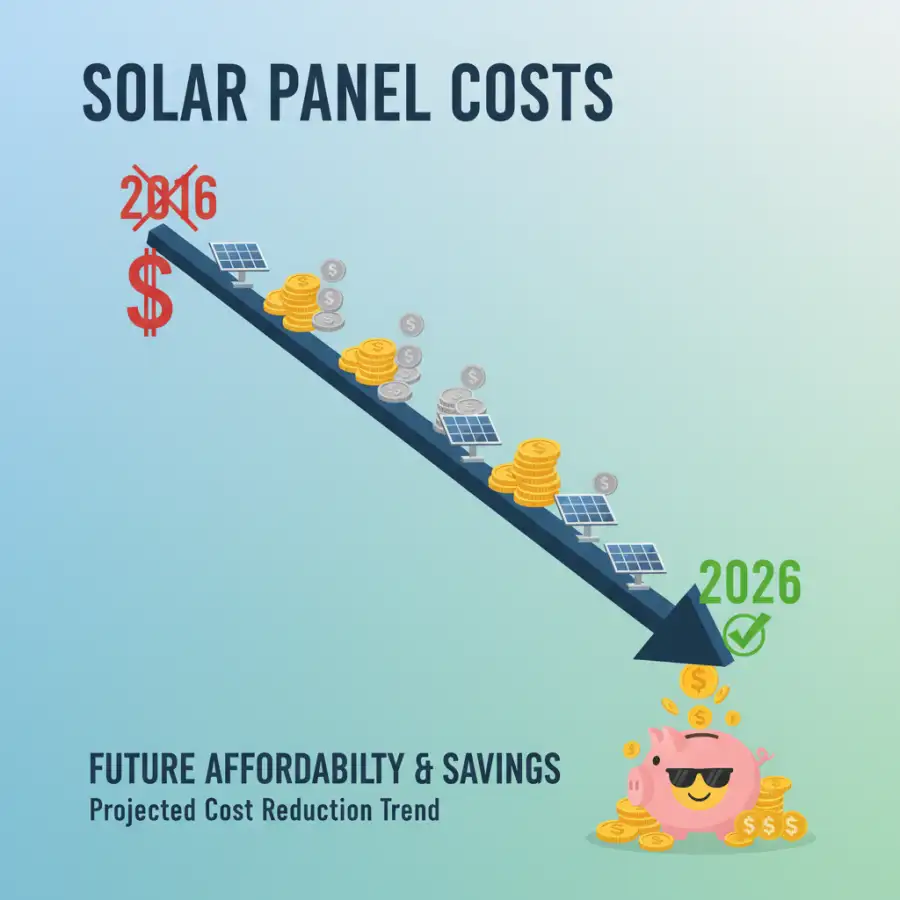
Professional installation has higher initial costs. But these are balanced by expertise, warranties, and potential for greater efficiency and system life. Professionals can help you find financing. This reduces the upfront financial burden. According to some experts, the cost of solar panel installation decreases every year. Read more about financing your solar panels in this article about residential solar financing myths.
Safety First: DIY vs. Professional Standards
Solar panel installation involves electricity and heights. Safety is very important. Is DIY solar installation as safe as using a professional?
DIY installations depend on your knowledge of electrical safety. You must also follow local rules. Mistakes can cause electrical hazards, fire risks, and voided warranties. Professional installers are trained in safety. They follow industry best practices. This lowers these risks. They are also insured. This gives you extra protection.
Regional Differences: California and Beyond
Solar use varies across the United States. What are the key differences between California and other states?
California leads in solar use. It has high solar irradiance and supportive policies. The state offers incentives, making solar more accessible. But strict rules and permit requirements can make both DIY and professional projects harder. Other states may have fewer incentives but also fewer rules. Factors like local building codes, weather, and available workers also affect the cost-effectiveness of solar installations. See how solar is installed in another state in this article: Solar Panel Installation in Houston
What this means for you
Deciding which path to choose requires you to assess your skills, money, time, and risk tolerance. Consider the following:
- Technical Expertise: Do you have experience with electrical work and roofing?
- Budget: What can you afford now? What are your long-term financial goals?
- Time: Are you ready to spend the time for planning, installation, and permits?
- Risk Tolerance: Are you okay with the potential risks of DIY projects?
By considering these factors, you can make an informed decision. It will match your needs.
Risks, trade-offs, and blind spots
Both DIY and professional installations have potential problems. Understanding these helps you make a better choice.
- DIY Risks: Electrical hazards, potential code violations, warranty issues, and a time-consuming process.
- Professional Trade-offs: Higher upfront costs, relying on a third party, and needing to check installers.
- Blind Spots: Underestimating project complexity, overlooking hidden costs, or not fully understanding local rules.
Main points
In short, choosing between DIY and professional solar installation means weighing the pros and cons. Here is a quick recap:
- Cost: DIY usually has lower upfront costs. But professional installations often offer better long-term value.
- Safety: Professional installations prioritize safety and follow industry standards.
- Expertise: Professionals have special knowledge and experience.
- Time: DIY projects take a lot of time and effort.
- Warranties: Professional installations often include warranties for peace of mind.
- Regulations: Both require following local building codes.
- Regional Differences: Incentives and rules vary by location.
- Long-Term Value: Consider the system's efficiency and lifespan.
The best choice depends on your situation. If you have the skills and time, and you are comfortable with the difficulties, DIY solar installation can work. For most homeowners, the peace of mind and expertise of professionals are worth the cost. Consider your home's needs when choosing solar panels. Read more about how you can unlock solar power for larger homes here.