

AI Solar Tech That Will Change the Game: A Comparison of Perovskite vs. Traditional Solar
Exploring the potential of perovskite solar cells and their impact on the future of energy.
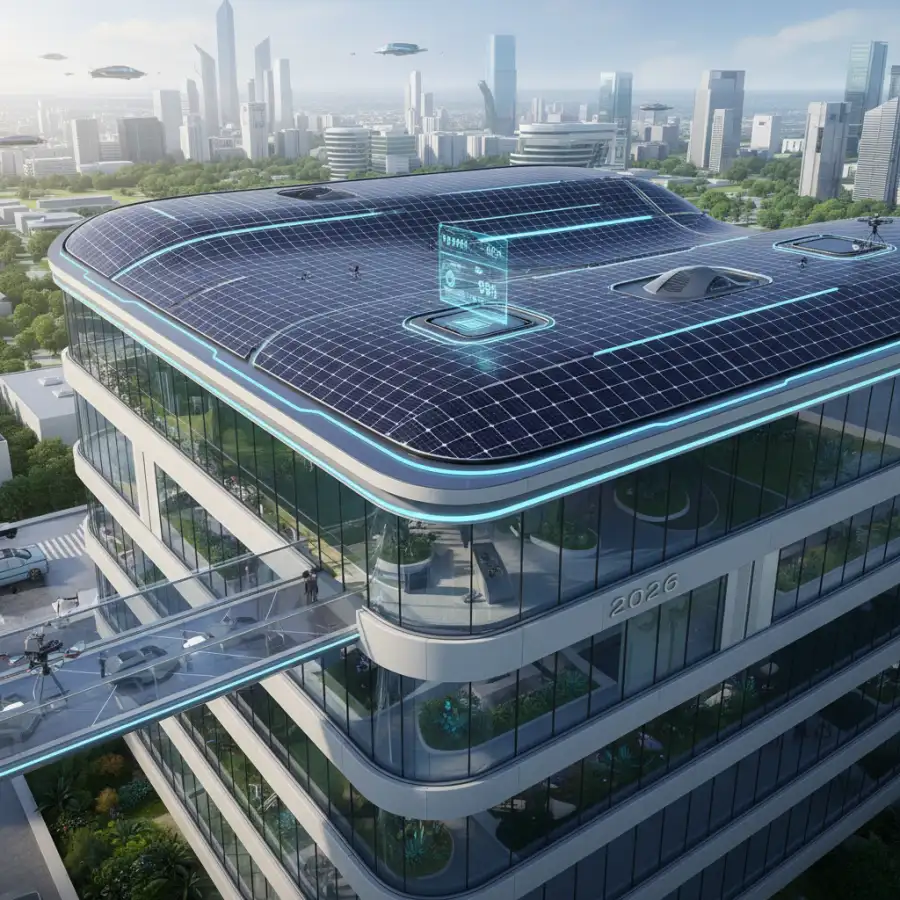
The sun's energy is a limitless resource. How you use it is always changing. Traditional solar panels are common, but a new option is coming. It promises to change how we measure efficiency and cost.
Perovskite solar cells are a new technology that could change the solar industry. Are they the future, or just a short-lived trend?
This article compares perovskite and traditional solar. You will learn about the future of solar energy, from AI data centers to your home.
The solar energy field is at a key point. Silicon-based solar panel technology keeps improving. A new type of solar technology, perovskite solar cells, is getting attention. Perovskites could be more efficient, cost less, and be more flexible. This comparison looks at both technologies, their benefits, and their drawbacks. It also considers what the future might hold for both.
Quick navigation
The Basics: Perovskite vs. Silicon
Silicon solar panels have been the top choice in the solar industry for decades. They are made from crystalline silicon. This material changes sunlight into electricity. These panels are reliable and last a long time. However, they can be expensive to make and are not flexible.
Perovskite solar cells are a newer technology. They use a perovskite material. This is often a mix of organic and inorganic compounds that also changes sunlight into electricity. Perovskites can be made using different methods, including printing. This could lower production costs. They could also be more efficient and made flexible. This opens new uses for solar panels. But what are the exact technical differences?
How Perovskite Solar Cells Work
Perovskite solar cells change sunlight into electricity like silicon solar panels. The main difference is the active material. Perovskites usually have a crystal structure that absorbs sunlight and changes it into an electrical current. The structure of perovskite materials allows them to absorb a lot of light and move charges efficiently. This is because they have a unique crystal structure and electronic properties. These help them change sunlight into electricity with high efficiency.
These cells can be made thin and flexible. This allows them to be used in many ways, like in building materials and wearable devices.
Efficiency Showdown: Perovskite vs. Silicon
Efficiency measures how much sunlight a solar panel changes into electricity. It is an important number for solar panels. Traditional silicon solar panels have improved over time. Panels available now usually have an efficiency of 15% to 22%. Better silicon panels can be even more efficient, but they cost more.
Perovskite solar cells have shown impressive efficiencies in labs. Some have exceeded 25%. The highest possible efficiency of perovskite cells could be even better than silicon. However, the challenge is to make these lab results work in large-scale production while keeping them stable and durable. Which technology will be more efficient in the future?
Manufacturing and Cost: A Comparison
How a technology is made and how much it costs are important for solar technologies. Making silicon solar panels involves complex steps. These include cleaning silicon, growing crystals, and making wafers. These steps can use a lot of energy and be costly. Making silicon panels requires special equipment and a lot of money.
Perovskite solar cells could have lower manufacturing costs. Perovskites can be made from common materials and using methods like printing and coating. These methods could allow for roll-to-roll production, like printing newspapers. This would make mass production more affordable. Also, perovskite cells can be made on flexible materials. This opens up options for using solar panels in building materials. This could lower costs by reducing the need for separate installation.
Durability and Lifespan: What to Expect
Durability and lifespan are important for any solar technology. Silicon solar panels have a history of being durable. They often last 25 years or more with little change. They can handle bad weather and have shown long-term performance.
Perovskite solar cells are promising in terms of efficiency and cost. However, they face challenges in durability and lifespan. Perovskite materials can break down from moisture, oxygen, and UV light. Research is focused on improving the stability of perovskite cells using new materials and protective coatings. Solving the durability problems is important for making perovskite solar technology work long-term. Will perovskite solar panels last as long as traditional ones?
What this means for you
For homeowners and businesses, new AI solar technology creates opportunities and requires decisions. More efficiency and lower costs could mean big savings on energy bills. Solar panels could be built into building materials. This means solar energy could become more accessible and look better. Also, AI data centers will change the demand for renewable energy sources. This technology's effect on this segment and the global economy will also be massive.
However, it's also important to consider the trade-offs. The technology is still new. The lifespan and reliability of perovskite solar panels are not yet proven. Deciding to invest in solar technology, whether silicon or perovskite, depends on your needs, budget, and risk tolerance.
Risks, trade-offs, and blind spots
The change to AI solar technology has challenges. The main risk with perovskite solar cells is their shorter lifespan compared to silicon panels. Environmental factors still cause problems, but research aims to fix these issues. The cost-effectiveness of mass production is another trade-off, as the manufacturing processes for perovskite cells are still being improved.
There is a lack of long-term performance data. Lab results are promising. However, there is not much real-world data on how perovskite panels perform over time in different conditions. Also, the rules and standards for perovskite technology are still developing. This can create uncertainty for investors and consumers. Consider these factors before investing in this fast-changing field. For more information, explore residential solar financing myths.
Main points
- Efficiency: Perovskite solar cells could be more efficient than silicon, but need improvements for long-term stability.
- Cost: Perovskite cells could have lower manufacturing costs because they are easier to produce.
- Durability: Silicon panels have a good track record, while perovskites are still improving their resistance to environmental factors.
- Flexibility: Perovskite cells can be made flexible, opening up new uses.
- Lifespan: Traditional silicon panels are known for lasting a long time (25+ years). The lifespan of perovskite panels is still being determined.
- AI Integration: Data center investment risks can affect solar tech development.
- Investment: Investing in solar tech depends on individual needs.
- Future: Perovskite technology will likely change the solar energy industry.
The solar energy field is changing quickly. Homeowners and businesses need to think carefully about the trade-offs and benefits before investing in solar technology. If you want help, read unlocking solar power for large homes to assess your needs, or explore the options for solar panel installation in Houston.